




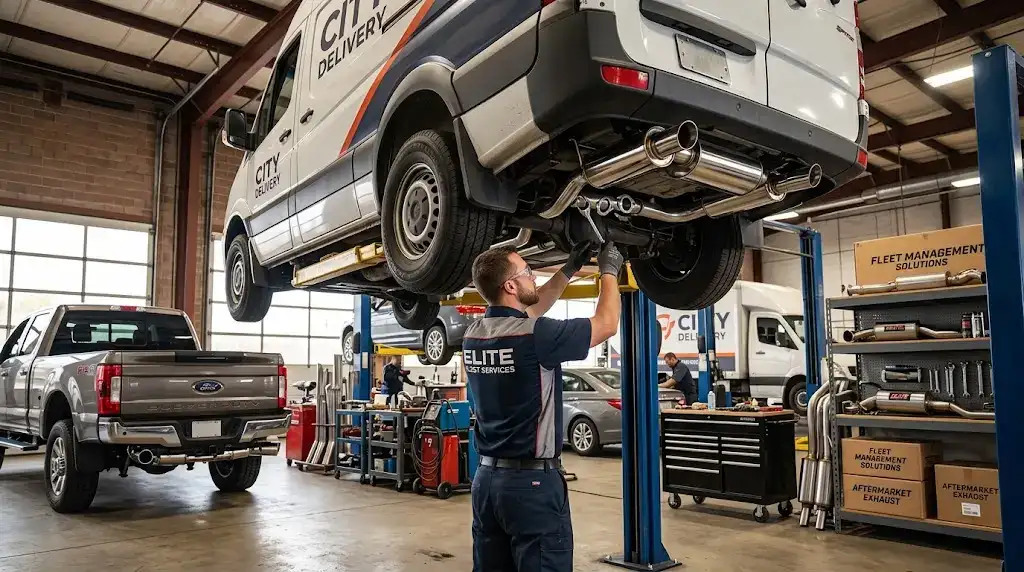
Exhaust gases are generated by all vehicles. These gases must leave the engine rapidly and in a controlled manner. The exhaust pipe does that. It is one of the most crucial components in each automobile. But that's also one of the most forgotten! Exhaust pipes are an important aspect of the automotive aftermarket and fleet management industry. Replace them at the right time and with the right product to keep vehicles running well and costs low.
A handout that provides everything you need to know about automobile exhaust pipes, particularly replacement and fleet-use tips.
The exhaust pipe is a metal pipe that carries gases from the engine to the rear of the vehicle. One connects to the exhaust manifold, and the other to the tailpipe.
The pipe is essential for the exhaust system to function, as the gases would otherwise flow around the vehicle's engine or would seep into the vehicle's interior. This affects performance and raises safety concerns. A broken pipe will significantly reduce running efficiency and create a lot of noise. You can't afford to neglect it. It is essential.
The exhaust pipe originally included with the vehicle is an OEM part. Once it wears out or gets damaged, many car owners and fleet managers look for an aftermarket replacement. There are many aftermarket alternatives. Some direct-fit replacements are manufactured to look like their counterparts. Others come in a universal-fit pipe that can be cut and sized to fit.
Aftermarket exhaust products for automobiles are generally less costly than OEM parts. Quality standards have also increased markedly. Many aftermarket brands now match the material and quality of the original brands. This makes aftermarket options easy and cost-effective for individual vehicle owners and large fleets.
Fleet managers must keep vehicles running. Whether it's a delivery fleet, a logistics firm, or a public transport operator, downtime always costs money. One major cause of early vehicle failure is exhaust pipe failure.
Previously, plan replacements before failure.
Reactive maintenance costs are high. An on-road breakdown is more expensive than a planned vehicle change at a service center. Fleet operators need to monitor exhaust parts. Long-haul trucks carrying heavy loads may require earlier replacement.
Have the following things in stock:
A supply of common exhaust components is a cost-effective business for a big fleet. This reduces time spent waiting for repairs. It also lets the maintenance team control which products are used. Choosing one supplier to manage all fleet vehicles promotes consistency and may lead to more competitive pricing.
Trucks require an exhaust system different from that of passenger vehicles. A truck's exhaust pipe is larger, handles hotter exhaust gas, and releases more exhaust gas. Trucks also drive through more road debris, mud, and moisture. All these lead to increased wear.
Unlike passenger cars, many heavy trucks worldwide have vertical exhaust stacks rather than exhausts that run under the truck. These stacks carry exhaust gases up and away from the road and the driver. They are common on long-distance haulage trucks and other heavy-duty commercial vehicles.
The diameter and length of a truck exhaust pipe or stack should meet the same requirements as for the engine. If the pipe is too small, it will develop back pressure. The engine has to be more powerful to overcome back pressure. This means lower power and higher fuel consumption.
Most truck exhausts are made of stainless steel. It tolerates high temperatures and resists corrosion better than conventional mild steel. Aluminized steel is an economical option that provides good corrosion protection. Stainless steel is worth the cost for fleets in coastal or high-moisture areas, where its durability helps it remain in service for many years.
A damaged pipe can let carbon monoxide into the passenger compartment. This gas can be very dangerous. Even a small break near the front end of a vehicle can endanger the driver and passengers. If you notice any exhaust damage, have it repaired right away.
Replacing an exhaust pipe is a simple task if you follow the right procedures.
Yes, it does. Back pressure comes from an obstructed or damaged exhaust pipe. This makes the engine work harder to push the gases out. The consequences are increased fuel usage. Even a small reduction in fuel economy on the entire fleet can mean big money losses over time for fleet operators with dozens of vehicles. Keeping the exhaust pipes in good shape is one way to help you control your gasoline bill.
The exhaust pipe is a small part that has a big responsibility. A maintained vehicle is a quiet, safe, and efficient car for individual owners. This leads to fewer breakdowns, lower fuel consumption, and a longer vehicle lifespan for fleet owners.
Exhaust gases are generated by all vehicles. These gases must leave the engine rapidly and in a controlled manner. Th...
READ FULLYour exhaust pipe is straining every other day. It removes hot gases from your engine and helps keep your car running...
READ FULLOEM manufacturers and auto repair shops regularly inspect exhaust pipes. It is not something that you purchase and fo...
READ FULL